
Turf Rehab in Cambridge, NY · Private clubs in 16 states
Golf Course Drainage Contractor and Builder
Fix the water. Fix the turf.
Turf Rehab is a golf course drainage contractor and construction crew out of Cambridge, New York. We build greens, tees, bunkers and athletic fields, and we install the drainage that keeps them firm and playable.
Nick Roth, Golf Course Superintendent, The Tree Farm (SC)
Years combined experience
Years of 2" slit drainage
Trusted on the ground at
Oakmont CCChicago GCPortland CCNorth Shore CCThe Tree FarmWayzata CCHyannisport ClubThe Apawamis ClubHuntingdon Valley CCWoodhill CCBiltmore Forest CCBryn Mawr CC
Our impact in numbers
One crew for construction, drainage and sports fields
Years of combined experience
Mark Rowan brings 17 years of golf course construction. Mark Luckhardt has spent his career fixing saturated turf.
Years of the 2-inch slit drainage process
Mark Luckhardt developed it more than 35 years ago, and it is still the core of what we install on greens, fairways and fields.
Reply to every project request
Send photos of your wet areas and we answer within a day to set up a site visit.
Private clubs across the Northeast, Midwest and Carolinas
NYMAMENHNJPAOHMIINILWIMNIANCSCFL
The surfaces we work on
Greens, fairways, bunkers and fields
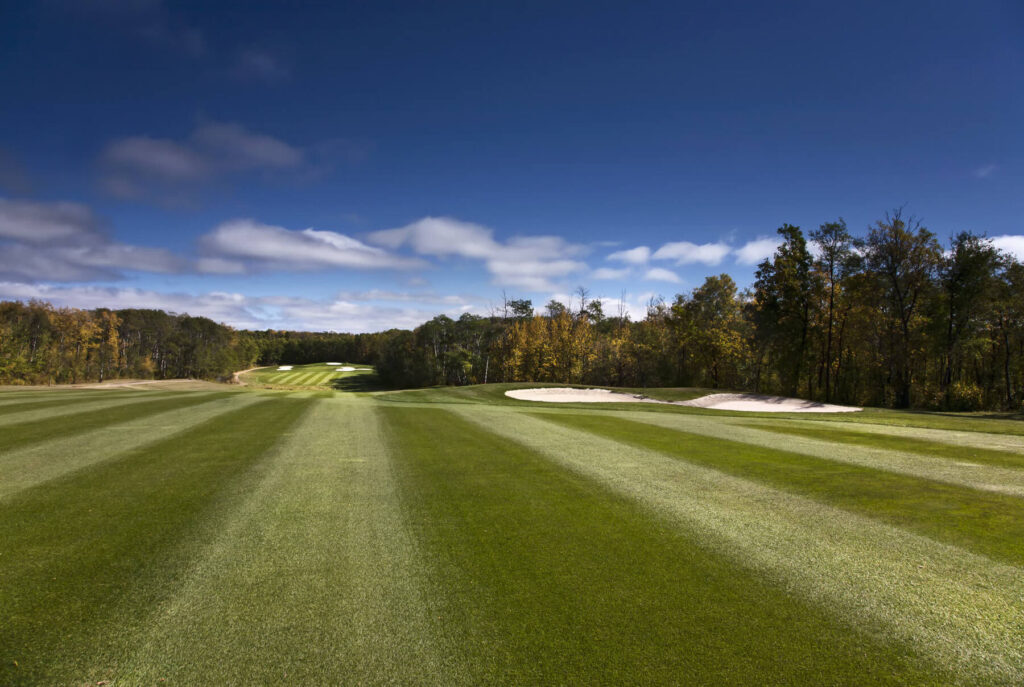
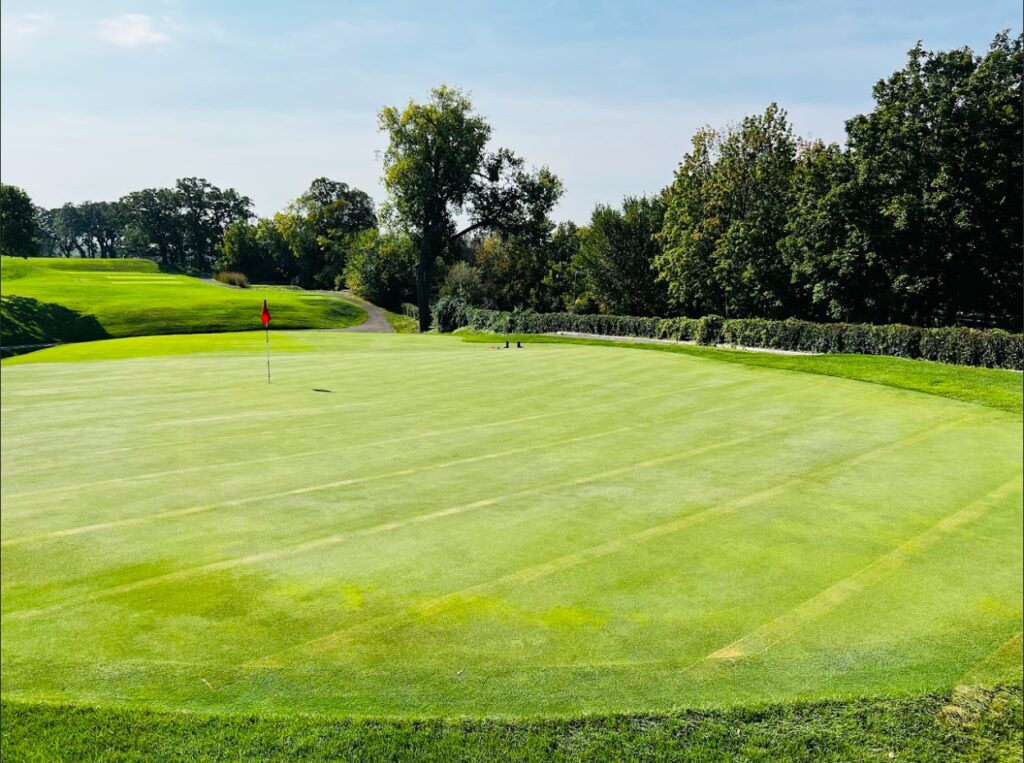
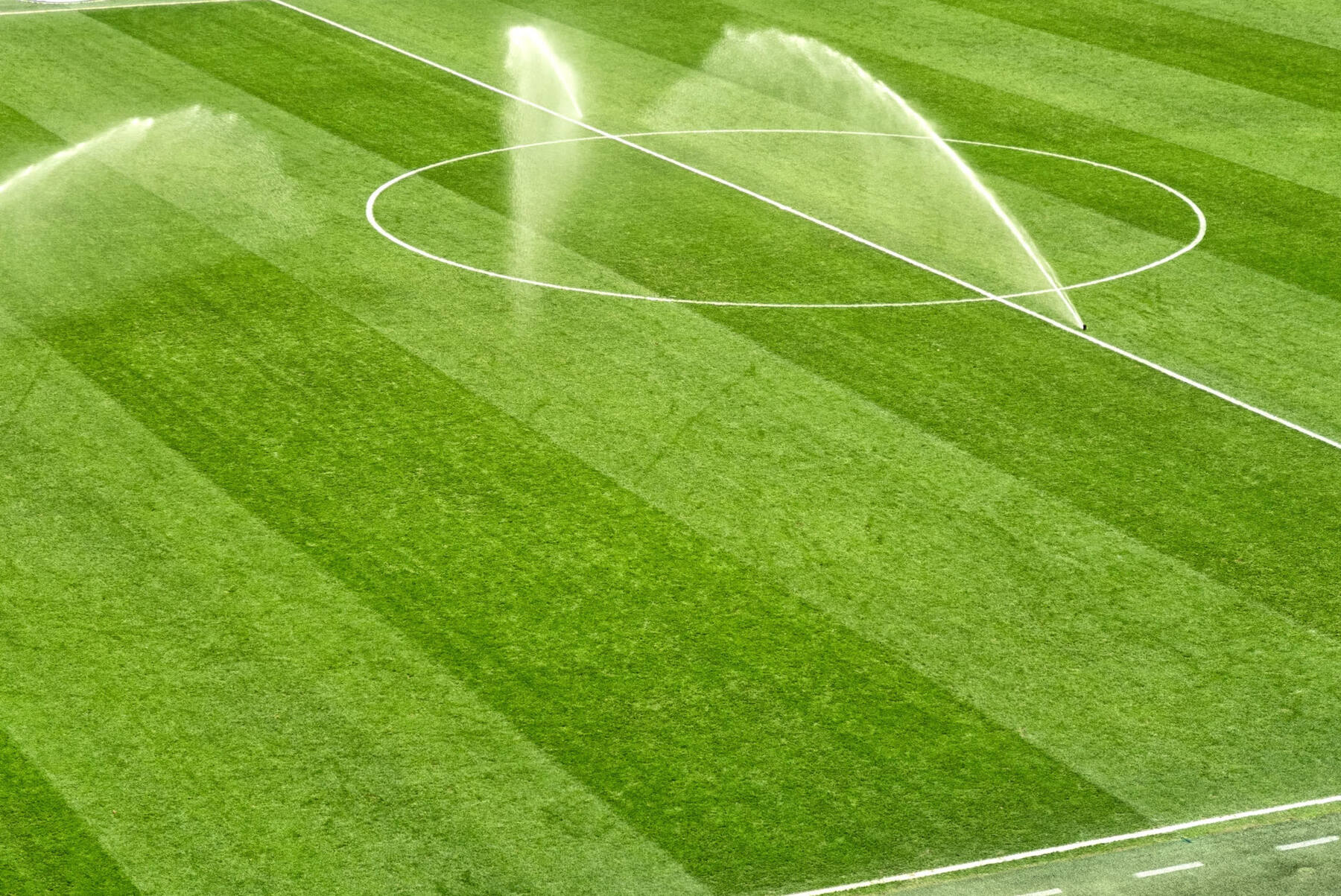
Every surface drains differently. Sand-based greens, clay-heavy fairways, bunker floors and high-traffic athletic fields each get a layout built for how water moves through that soil.
Fairways and approaches
Greens
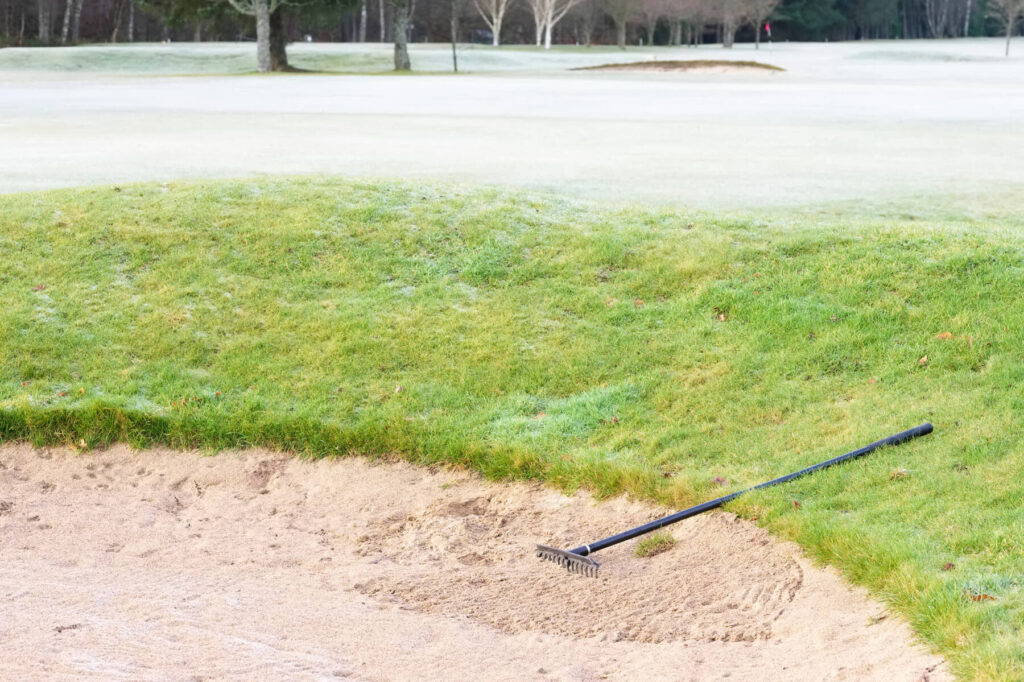
Bunkers
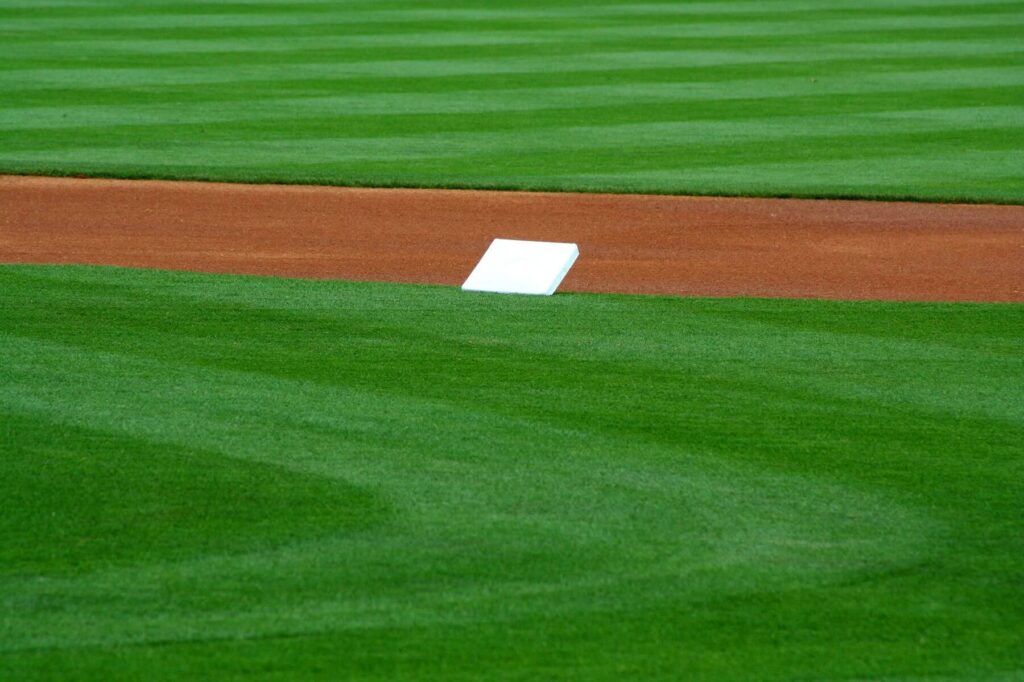
Baseball and softball
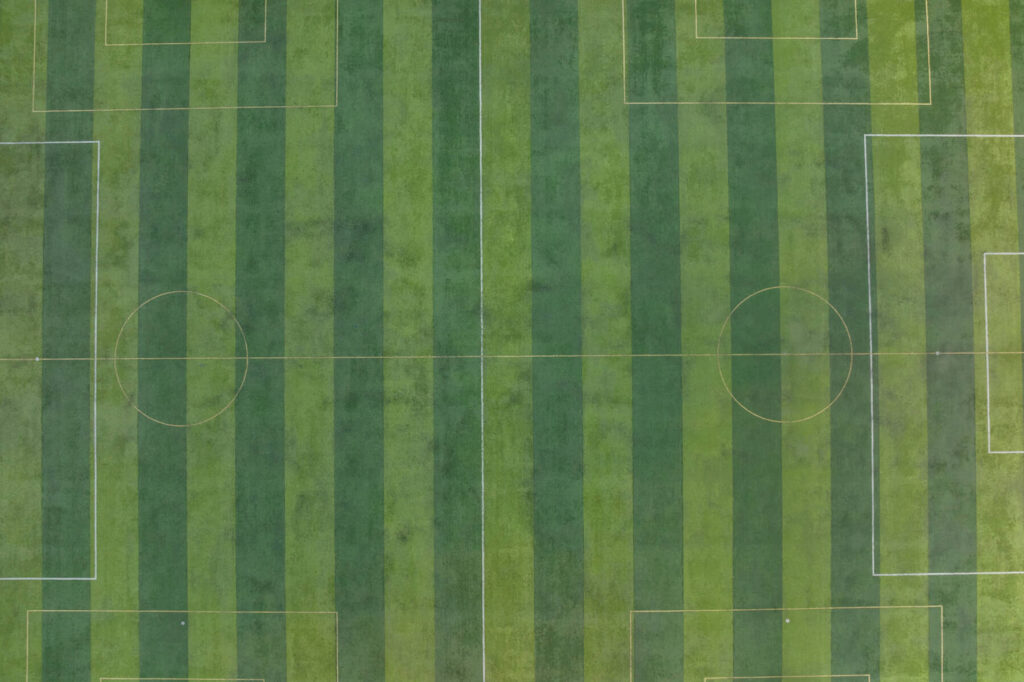
Soccer, football and lacrosse
Services
Four things we do every season
Construction and drainage are tied together. When the same people design the grades and lay the pipe, those two pieces line up.
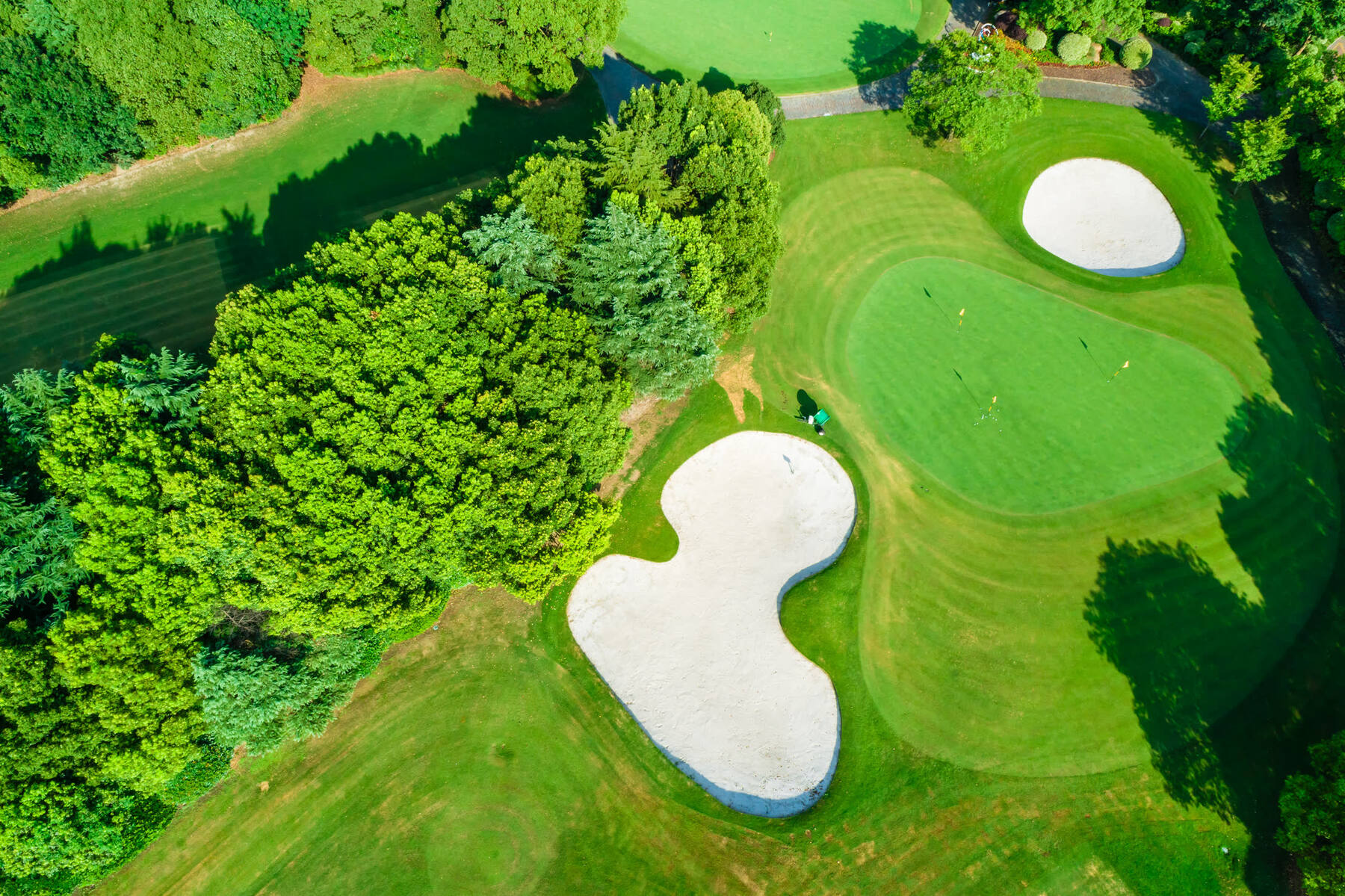
Golf Course Construction
We build and rebuild the parts of a course that take the most abuse: greens, tees and bunkers, plus new holes and larger renovation projects. Greens are built our own way, around 2-inch slit drainage and a homogeneous sand rootzone, and every construction job has drainage designed into it from the first day.
See golf course construction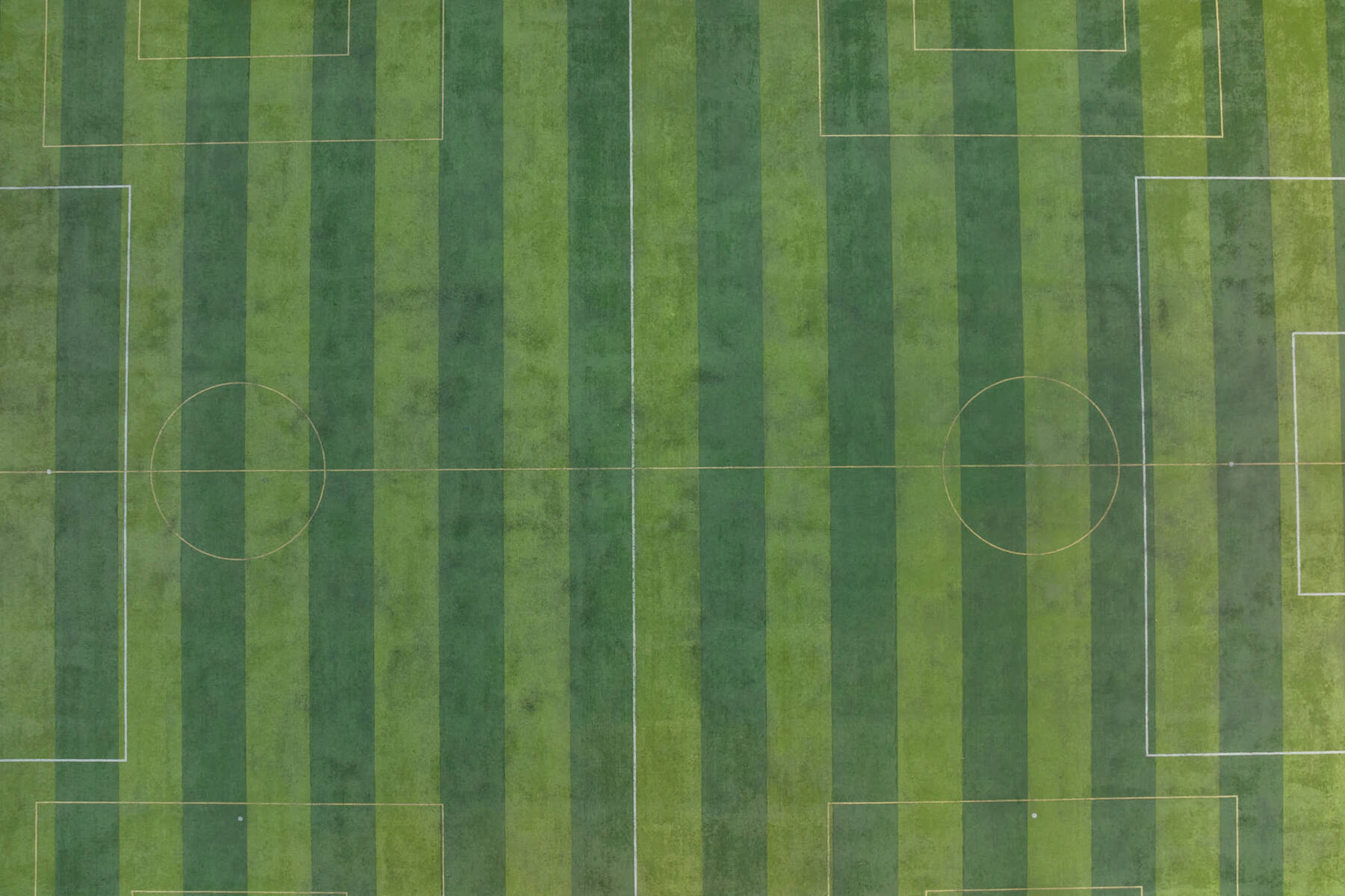
The Luckhardt process
The 2-inch slit drainage system behind our work
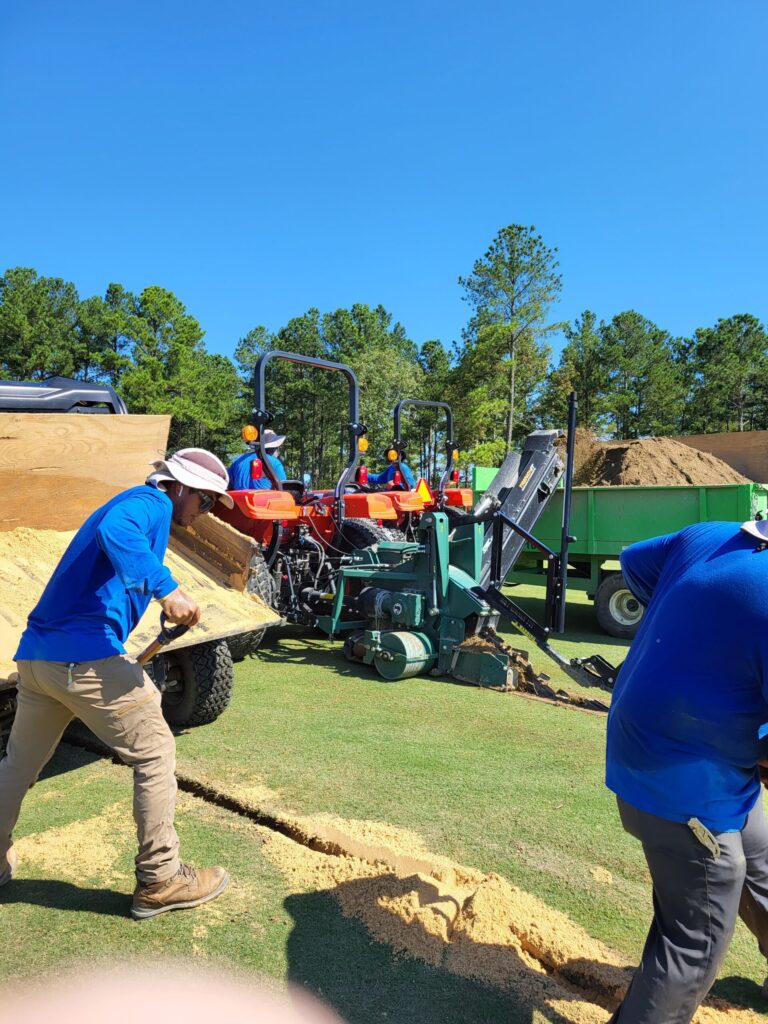
We cut a narrow trench, set a 2-inch micro-slit pipe in the bottom and backfill it with sand. When the soil around the trench reaches saturation, the micro-slits open and start pulling water into the line. As water leaves, pore space opens and the water sitting on top moves down instead of pooling.
Narrow trench
Turf heals over quickly, and crews keep mowing, topdressing and aerifying.
Deeper roots
Roots follow air and water down for thicker turf and better color.
Firm, not rock hard
Puddles clear fast and surfaces firm up sooner after rain.
Flushes salts
Superintendents use the system to help move salts out of greens.
Warning signs
Signs your course or field needs drainage work
Drainage problems rarely show up all at once. They creep in over a few seasons until your crew is working around them every day.
On the golf course
- Fairways and approaches that stay soft or muddy for days after rain
- Greens that stay damp and never fully firm up
- Turf thinning in the same spots every season
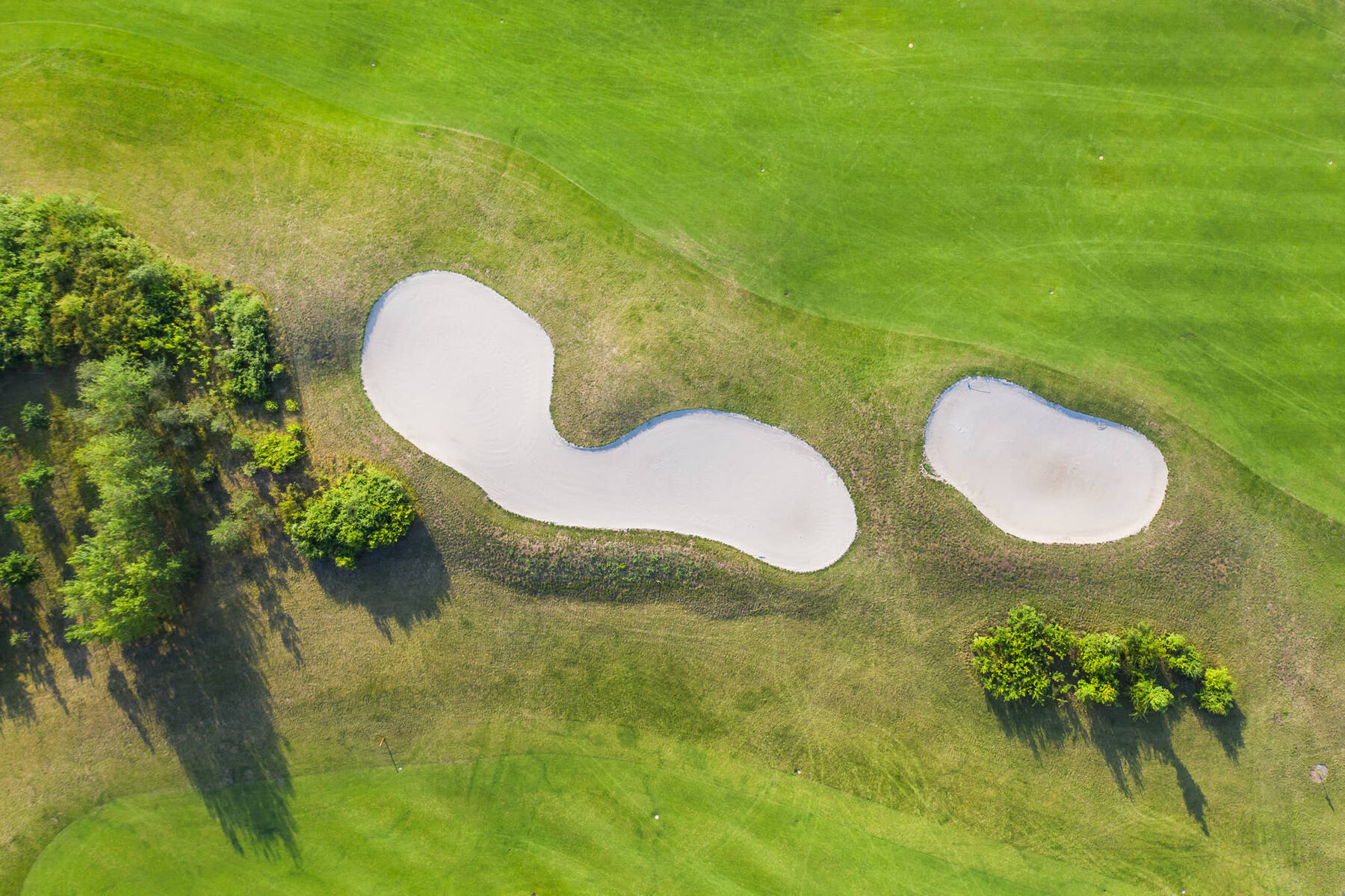
- Bunkers that wash out or hold water under the sand
- Mower tracks in wet spots and crews avoiding areas after storms
On the athletic field
- Standing water after a light rain
- Soft, spongy or slick footing
- Thin turf in the same areas every season
- Slow drying after practices and games
- Muddy seams that return week after week
Since day one
The rain stops. Play doesn't.
That has been the job for more than 50 combined years: find out why water sits, move it out of the profile, and leave turf your crew can mow, topdress and aerify the next day.
How a project runs
Six steps, every project
Site Visit
We walk the property with your superintendent or field manager and listen first.
Soil Profile
We check the profile, existing drainage and how water moves across the property.
GPS Layout
A layout built around how your crew mows, topdresses and aerifies.
Cost Breakdown
Pricing by hole, area or field section, so the worst spots go first.
Installation
Our own crew, scheduled around your golf calendar or game schedule.
Final Inspection
We walk the finished work with you and hand over the GPS maps.
From the superintendents
What superintendents say
A site visit turned into a full master drainage plan. Turf Rehab worked around the club's golf calendar, adjusted after severe weather and installed 2-inch drainage in the fairways.
Nick Roth Golf Course Superintendent, The Tree Farm (SC)
Over two falls of work at Portland, J.B. found the Turf Rehab staff professional, detailed and hardworking. Turf Rehab is now his first call for drainage.
J.B. Christie Golf Course Superintendent, Portland Country Club (ME)
A bunker removal project squeezed into a short, weather-affected window. Joel described the crew as tireless team players who planned the work carefully.
Joel Larsen Golf Course Superintendent, North Shore Country Club (WI)
Brian asked the crew back in November to install as much drainage on the property as possible.
Brian Bromann Ivanhoe Club (IL)
Work scheduled around your golf calendar
The biggest worry we hear is that drainage or construction will shut the course down. In most cases it doesn't. The 2-inch slit trenches are narrow and heal quickly, and we phase larger projects by hole, by nine or by priority area so members keep playing the rest of the course.
Fall is a popular window for a lot of our clubs, and athletic fields follow the same idea: installs planned around your game and practice schedule.
FAQs
Questions we hear most
Turf Rehab builds and drains golf courses and natural grass sports fields. We install subsurface drainage in greens, fairways, bunkers and athletic fields, design master drainage plans, and build greens, tees, bunkers and fields with drainage designed in from the start.
Get in touch
Send us photos of your wet areas
Tell us a little about your soil and how long the issue has been around, and we will get back to you within 24 hours. You can also call any day of the week between 8 AM and 6 PM.
Location11 Ave A, Cambridge, NY 12816
Phone, Mon to Sun 8 AM to 6 PM(518) 321-0630