
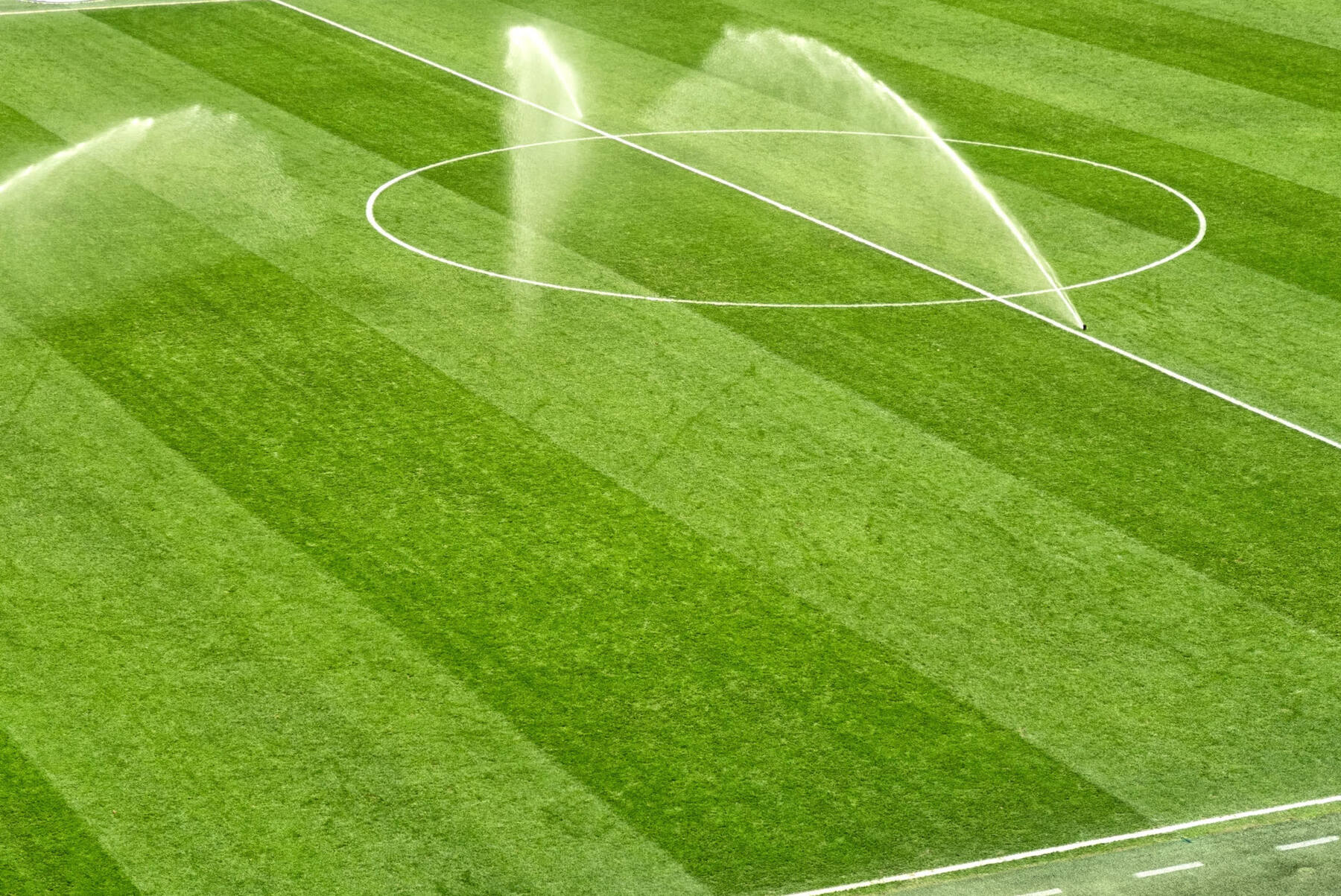
Athletic Field Drainage That Keeps Your Games on Schedule
Turf Rehab designs and installs athletic field drainage for natural grass sports fields that flood, stay muddy or never firm up. We find out why the water is stuck, then put in subsurface drainage that moves it out fast so your field is ready for the next game.
Field drainage
Subsurface Drainage for Sports Fields, Designed and Installed by Our Own Crew
Most field drainage problems can't be fixed from the top. Aerating and topdressing help, but if water has nowhere to go once it soaks in, the field will stay soft. Our job is getting water off the surface and out of the rootzone, and we do that with subsurface drainage built around your soil and the way your field gets used.
We handle athletic field drainage from start to finish: the on-site assessment, the drainage design and the full installation. All of it is done by our own crew, running equipment that is set up for natural grass fields. That keeps quality consistent and means the people who designed your system are the ones installing it.
Turf Rehab is led by Mark Rowan and Mark Luckhardt, who together have more than 50 years of experience fixing saturated turf on golf courses and athletic fields. Mark Luckhardt developed the 2-inch slit drainage process more than 35 years ago. That system, along with conventional pipe and strip drains, is the backbone of how we drain sports fields today.
We work on school fields, park and recreation fields, college and training facilities, full athletic complexes, and specialty surfaces like polo fields and horse arenas. Whether the problem is one soggy corner or the whole field, the approach is the same: understand the water first, then fix it.
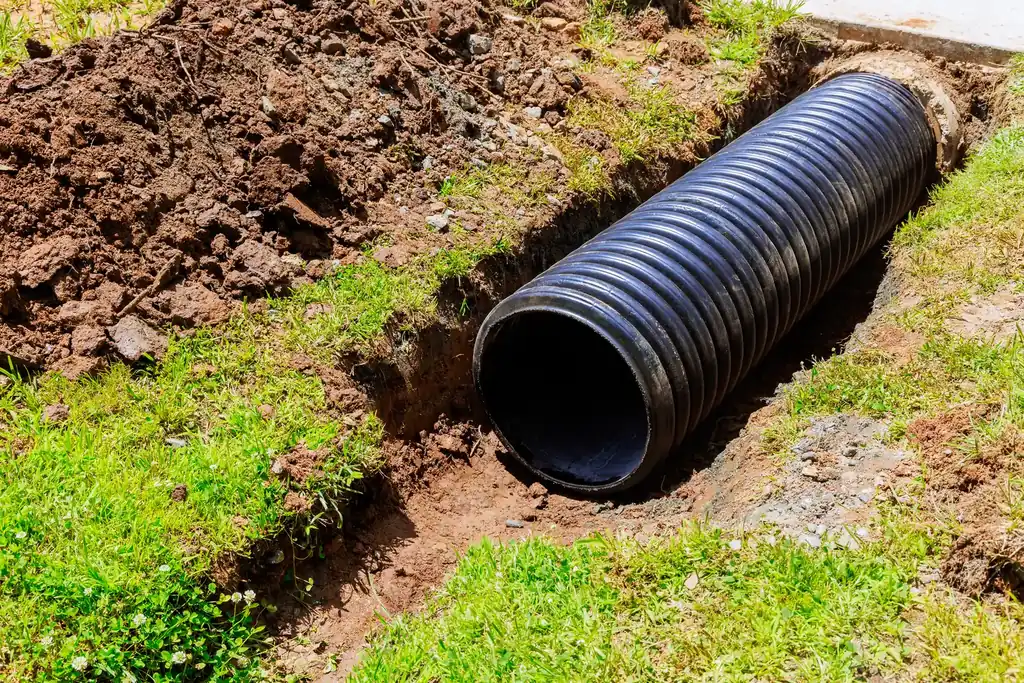
Signs Your Field Needs Better Sports Field Drainage
Most field managers know their field has a water problem long before anyone calls a contractor. Here are the signs we hear about most:
- Standing water after a light rain, not just after a storm
- Soft, spongy or slick footing, even a day or two after rain
- Turf that thins out in the same areas every season
- A field that dries much more slowly after practices or games than it used to
- Compaction pockets that come back no matter how often you aerate
- Muddy seams or strips that return week after week
If two or more of these sound familiar, the field almost always has a subsurface issue. Water is soaking in and then getting stuck near the surface. More topdressing won't solve that. The field needs a path for the water to leave.
Poor sports field drainage costs more than canceled games. Wet, soft turf tears easily, so you lose grass faster. Players lose their footing, a safety worry for coaches and athletic directors. And every rescheduled game or practice puts pressure on the rest of your fields.
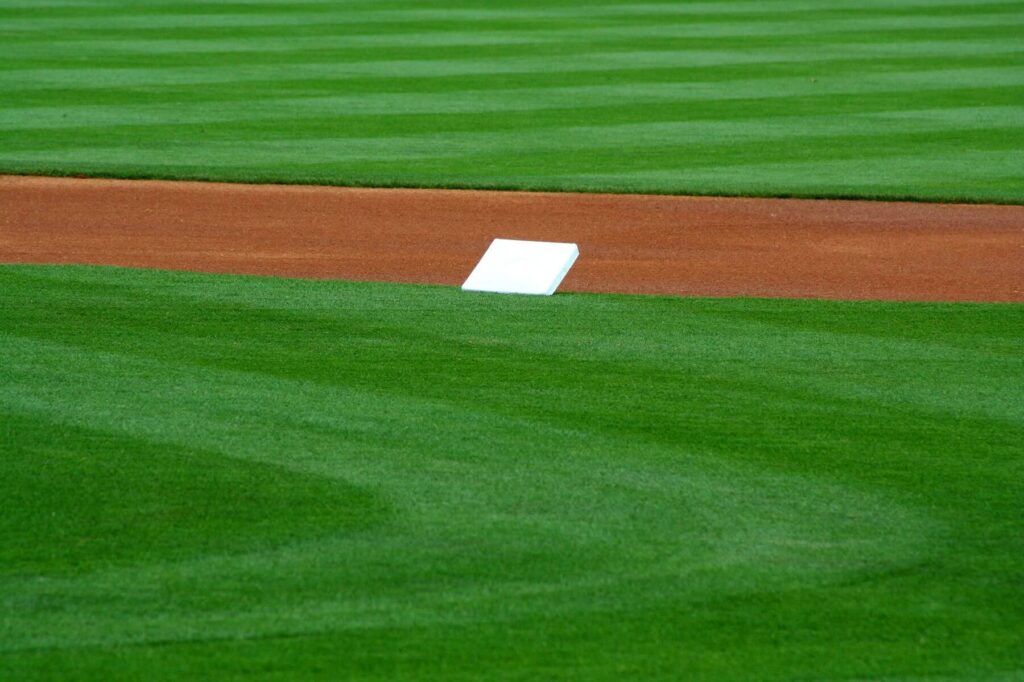
How Subsurface Drainage Works on a Sports Field
When a field gets saturated, a layer of water builds up just under the surface. This is called a perched water table, and it's the reason a field can look dry on top but squish under your shoes. As long as that water sits in the top few inches, the pore spaces in the soil are full, roots can't get air and the surface stays soft.
Subsurface drainage gives that water an exit. Drain lines are installed in narrow trenches below the surface and backfilled with gravel or sand, which water moves through easily. With our 2-inch slit system, the microslits in the pipe activate once the surrounding cavity becomes saturated and start drawing water into the line. As water leaves, pore space opens up, and surface water can move down instead of pooling.
With drainage in place, that water table drops quickly once the rain eases, then settles back at a healthier depth below the rootzone. Roots follow the water down.
The trick is matching the system to the field. Pipe size, spacing and layout depend on the soil, the slope and how the field is used. A heavy clay field in a low spot needs a very different layout than a sandy field on a hill.
Athletic Field Drainage Systems We Install
There's no single drainage system that fits every field. We choose from several types and often combine them on the same project.
The 2-Inch Slit Drainage System
This is the system Mark Luckhardt developed more than 35 years ago. A 2-inch microslit pipe sits in a narrow trench backfilled with sand. Because the trenches are narrow, installation causes less disruption to the playing surface than wide trench work, and the field can recover quickly. It's the same system golf course superintendents use on fairways and greens, and you can read more about how it works under putting greens on our golf green drainage system page.
Gravel and Sand Slit Systems
On compacted native soil fields, water often can't get down to the drain lines fast enough. Gravel or sand slits give surface water a direct path through the compacted layer to the drains below. They're a strong option for faster surface relief on fields that already have some drainage but still hold water on top.
Conventional Perforated Pipe Layouts
Larger perforated pipe laid in a herringbone or grid pattern is the standard way to drain a field's rootzone. We use conventional layouts where the field size, soil and water volume call for them, often alongside slit drains that speed up surface relief.
Strip Drains for High-Traffic Zones
Some areas take far more abuse than the rest of the field, like goal mouths, the middle of a football field or a team's warm-up area. Specialty strip drains let us target those high-traffic zones without retrofitting the entire field.
Collector and Main Lines
Every drain line has to empty somewhere. We install larger collector lines that carry water from the field to a safe outfall, and we tie into existing drainage where it's sound. Outfalls are built to stay stable and to slow the water down before it leaves, so you don't trade a wet field for an eroded ditch.
Sports Turf Drainage Planned Around How Your Field Is Used
The way a sport wears a field changes where drainage matters most. We plan sports turf drainage around the traffic you actually get.
Football fields take the heaviest wear between the hashes, so the center of the field needs strong drainage to recover between games. Soccer play moves across the full width of the field, so drainage has to be uniform from sideline to sideline. Baseball and softball outfields tend to develop soft pockets that return every spring, and those spots need targeted lines. Lacrosse and multi-use fields need full coverage because wear shifts as lines get repainted. Practice and training fields see the most hours of all and need to recover from daily drills.
We also drain horse arenas and polo fields, where consistent footing matters for the animals as much as the riders. Drainage keeps those surfaces even and predictable after rain.
Our process
Our Field Drainage Process
Every project starts with a walk of the field. A field drainage plan made without looking at the soil and the way water moves is a guess, and guesses get expensive.
Site Visit and Assessment
We walk the field with you to find soft pockets, worn patterns and the areas that stay wet longest.
Soil Profile Review
We review the grading, the soil profile and how water naturally moves across the field.
Drainage Layout and System Design
We build a plan around how the field is used, your budget and your long-term goals, and lay it out with GPS so every line is mapped.
Cost Breakdown by Area
You see the price for each part of the field, which makes it easy to phase work if needed.
Installation
Our own crew installs the system, scheduled around your season as much as possible.
Final Inspection
We check the finished work and confirm water is moving the way it was designed to.
What Changes After the Drainage Goes In
Once drainage is in, the difference usually shows after the first good rain. Puddles clear quickly. The field firms up sooner, so practices and games go on as planned. There are fewer soft spots, fewer ruts, and less shearing when players cut. Turf loss after heavy rain drops off, and over a season or two, deeper roots lead to thicker turf with better color.
On golf courses, the same system has turned problem areas around. Nick Roth, the superintendent at The Tree Farm in South Carolina, put it simply after we installed 2-inch drainage in their fairways: "our wettest areas have become our driest."
If your field also needs regrading, re-grassing or a full rework of worn areas, pair drainage with our sports field renovation service. Planning a new field instead? See sports field construction.
FAQs
Questions we hear most
It gives trapped water a way out. Pipe in narrow trenches below the field collects water from the saturated layer and carries it to an outlet, so the field can take the next rain instead of holding the last one.
Get in touch
Get a Drainage Plan for Your Field
Send us a project review request with your field's location, the sports it hosts and if you have them, photos of the wet areas or problem spots. Notes on when the water shows up and how long it stays help even more. We answer requests within 24 hours.
You can also call (518) 321-0630 any day from 8 AM to 6 PM.
Location11 Ave A, Cambridge, NY 12816
Phone, every day 8 AM to 6 PM(518) 321-0630